
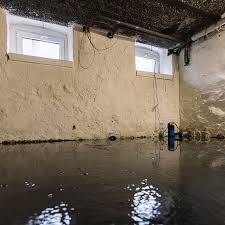
A sewer backup disaster can strike unexpectedly, causing significant damage to your home or business. Sewage overflows are not just messy; they can create severe health risks, structural damage, and long-term property issues if not handled promptly. Understanding how to respond quickly to a sewer backup disaster is crucial to minimize the impact and protect your property and family.
Understanding a Sewer Backup Disaster
A sewer backup disaster occurs when wastewater flows backward into your home through drains, toilets, or sinks due to blockages, heavy rainfall, or damaged sewer lines. The situation is highly unsanitary and can lead to contamination of floors, walls, furniture, and personal belongings. Additionally, prolonged exposure to sewage can create mold growth and structural damage that may require costly repairs.
Recognizing the signs of a sewer backup disaster is the first step in effective response. Common indicators include slow drains, gurgling sounds from plumbing, foul odors, and visible sewage in your basement or lower levels. Once identified, immediate action is necessary to prevent further damage.
Immediate Safety Measures
Safety is the top priority during a sewer backup disaster. Sewage contains harmful bacteria, viruses, and parasites that can pose serious health risks. Before entering areas affected by the backup, ensure you wear protective gear such as gloves, boots, and masks. Keep children and pets away from contaminated zones.
Electrical safety is another critical concern. Water from a sewer backup disaster can come into contact with electrical outlets, appliances, and wiring. Shut off electricity in affected areas to prevent the risk of electrocution. Never attempt to touch or remove water without proper safety precautions.
Containing the Damage
Once safety measures are in place, the next step in handling a sewer backup disaster is to contain the damage. Block off the affected areas using towels, sandbags, or plastic sheets to prevent sewage from spreading to unaffected rooms. Remove any valuable items or furniture that can be salvaged, but avoid moving contaminated materials without protective gear.
It is also important to stop the source of the backup if possible. In some cases, this may involve shutting off the main sewer line or contacting municipal authorities if the problem is outside your property. Acting quickly can prevent additional flooding and reduce the overall impact of a sewer backup disaster.
Professional Cleanup and Restoration
While minor spills might be handled with careful cleanup, a serious sewer backup disaster requires professional intervention. Specialized cleanup crews have the equipment, expertise, and disinfectants needed to remove sewage safely and restore the property. Professionals also have high-powered extraction machines, industrial-grade dehumidifiers, and sanitization tools to prevent mold growth and structural damage.
Hiring a restoration company experienced in sewer backup disaster situations ensures that every contaminated area is thoroughly cleaned and disinfected. Attempting to handle extensive sewage contamination on your own can be dangerous and may leave behind harmful bacteria or damage that worsens over time.
Documenting the Damage
Documentation is a crucial step after a sewer backup disaster, particularly if you plan to file an insurance claim. Take photographs and videos of all affected areas, including floors, walls, furniture, and personal belongings. Keep records of any professional cleanup and restoration services used.
Detailed documentation helps insurance providers understand the extent of damage and facilitates a smoother claims process. It also provides proof for legal or municipal inquiries if the backup resulted from a municipal sewer line failure or neighboring property issues.
Preventing Future Sewer Backup Disasters
Prevention is always better than reacting to a sewer backup disaster. Regular maintenance of your plumbing and sewer lines can significantly reduce the risk of future incidents. Schedule periodic inspections with a licensed plumber, especially if your home has older sewer systems or is prone to heavy rainfall.
Avoid flushing non-degradable items such as wipes, feminine products, and paper towels, as these can clog sewer lines and trigger backups. Installing backflow prevention valves or sump pumps can also provide an extra layer of protection against potential sewer backup disaster situations.
Responding Quickly Saves Time and Money
Time is critical when dealing with a sewer backup disaster. The faster you act, the more damage you can prevent. Prompt response limits contamination, reduces repair costs, and mitigates the risk of long-term health issues. Even a few hours of delay can escalate a manageable problem into a major disaster.
Contacting professionals immediately, following safety measures, and containing the affected area are all essential steps in responding to a sewer backup disaster. Quick action also provides peace of mind, knowing that the situation is being handled properly and efficiently.
Conclusion
A sewer backup disaster can be overwhelming, but understanding the risks, responding quickly, and involving professionals can make a significant difference in the outcome. Safety, containment, and proper restoration are the keys to minimizing damage. Taking preventive measures, documenting incidents, and staying vigilant with plumbing maintenance can help prevent future sewer backup disaster events.
Being prepared and knowing how to respond ensures that a sewer backup disaster does not turn into a long-term catastrophe. With the right approach, you can protect your property, your family, and your investment while restoring your home to a safe and sanitary condition.