
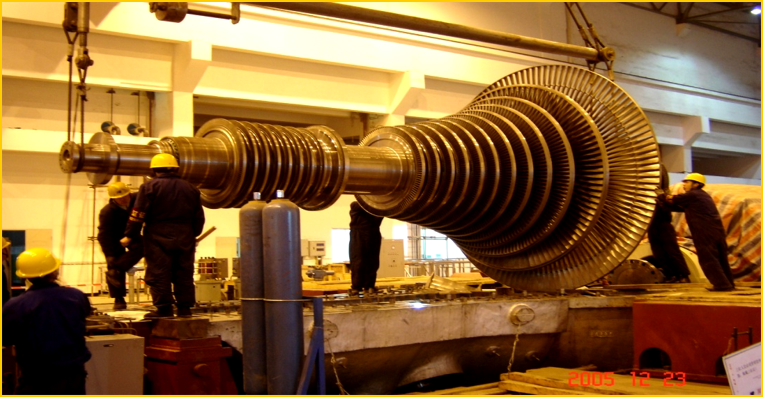
Aging power plants face numerous operational challenges, ranging from decreased efficiency to frequent maintenance shutdowns. Among these challenges, steam turbines often become the focal point for performance degradation due to wear, outdated design, and changing operational requirements. Retrofitting these turbines can not only extend the life of the plant but also enhance efficiency, reliability, and safety. Implementing a comprehensive steam turbine island retrofit for aging power plant can be the most effective strategy for achieving these goals.
Understanding the Need for Steam Turbine Retrofits
Steam turbines in aging power plants are subjected to high thermal and mechanical stress throughout their operational lifetime. Over time, this leads to erosion of blades, corrosion of components, and wear on critical bearings. Additionally, older turbines may not be optimized for modern fuel types or evolving grid requirements. A retrofit allows plant operators to upgrade the turbine without complete replacement, saving costs and minimizing downtime.
Several key indicators suggest the need for a steam turbine island retrofit for aging power plant, including:
- Reduced thermal efficiency and higher fuel consumption
- Increased vibration or noise levels
- Frequent unscheduled maintenance or component failures
- Difficulty meeting current emission standards
Recognizing these signs early ensures that the plant continues to operate safely and efficiently.
Key Objectives of a Steam Turbine Retrofit
The primary objective of retrofitting a steam turbine island is to improve operational performance while extending the turbine’s service life. Specific goals include:
- Enhancing efficiency by optimizing blade profiles and steam flow
- Reducing maintenance costs through upgraded materials and bearings
- Improving reliability and operational flexibility
- Ensuring compliance with modern environmental and safety standards
Achieving these goals requires a detailed assessment of the existing turbine, plant layout, and operational requirements.
Assessment and Planning
The first step in any steam turbine island retrofit for aging power plant is a thorough assessment. This involves examining the turbine’s mechanical, thermal, and electrical systems. Engineers evaluate the condition of critical components such as:
- Turbine rotors and blades
- Steam seals and nozzles
- Bearings and lubrication systems
- Control systems and instrumentation
Advanced diagnostic tools like vibration analysis, thermography, and ultrasonic testing are often employed to identify wear patterns and predict future failures. The data collected forms the basis for a customized retrofit plan tailored to the plant’s specific needs.
Planning the retrofit also involves reviewing operational demands and future energy requirements. Plant operators must decide whether to prioritize efficiency, flexibility, or emission reductions. Cost-benefit analysis plays a critical role in determining which upgrades provide the best return on investment.
Mechanical Upgrades
Mechanical improvements are the backbone of any steam turbine island retrofit for aging power plant. Common mechanical retrofit measures include:
- Replacing worn rotor blades with advanced materials to increase efficiency and durability
- Installing improved steam seals and packing to reduce leakage
- Upgrading bearings with high-performance lubricants and designs to minimize wear
- Enhancing turbine casings to withstand higher pressures or temperatures
Each mechanical upgrade contributes to better turbine performance, reduced downtime, and longer component life. Using modern materials and precision manufacturing techniques ensures that the retrofitted turbine can handle contemporary operational demands.
Control System Modernization
Modern control systems are essential for maximizing turbine efficiency and reliability. Retrofitting the control and instrumentation systems allows for better monitoring, automation, and operational flexibility. Key upgrades include:
- Digital governors for precise speed and load control
- Advanced condition monitoring systems to detect early signs of failure
- Integration with plant-wide control systems for optimized performance
- User-friendly interfaces for improved operational decision-making
By updating control systems, operators can achieve more responsive and stable turbine operation, which is particularly important for aging power plants where mechanical components may already exhibit wear.
Thermal Efficiency Improvements
Improving thermal efficiency is a primary focus in any steam turbine island retrofit for aging power plant. Measures to boost efficiency include:
- Redesigning turbine blades for optimized steam flow and reduced losses
- Upgrading condensers to improve heat rejection and reduce backpressure
- Implementing steam path sealing improvements to minimize leakage
- Adding or enhancing regenerative feedwater heating
These measures not only reduce fuel consumption but also lower greenhouse gas emissions, helping aging power plants meet stricter environmental standards.
Implementation Strategies
Executing a steam turbine retrofit requires careful planning to minimize plant downtime. Typical implementation strategies include:
- Phased retrofits: Upgrading components in stages to maintain partial plant operation
- Full turbine overhaul: Comprehensive refurbishment during a scheduled outage
- Modular upgrades: Installing retrofitted modules such as bearings, blades, or control systems independently
Coordination with experienced contractors and EPC providers ensures that the retrofit is executed efficiently and within budget. Safety protocols and quality control are critical throughout the retrofit process.
Cost Considerations and ROI
While retrofitting a steam turbine island involves upfront investment, the long-term benefits often outweigh the costs. Improved efficiency reduces fuel expenditure, while enhanced reliability minimizes maintenance expenses. Additionally, retrofits can delay the need for complete turbine replacement, representing significant capital savings.
Return on investment (ROI) can be maximized by:
- Prioritizing upgrades that offer the highest efficiency gains
- Selecting materials and components that provide long-term durability
- Implementing digital monitoring systems to optimize operational performance
A well-planned retrofit ensures that the aging power plant remains competitive and economically viable for years to come.
Case Studies and Industry Examples
Numerous aging power plants worldwide have successfully implemented steam turbine island retrofit for aging power plant projects. These retrofits often demonstrate improvements in thermal efficiency by 3–7%, reduction in forced outages, and extended turbine life by 10–15 years. Plants that adopt these strategies also benefit from enhanced flexibility to meet changing grid demands and environmental regulations.
Conclusion
Retrofitting steam turbines in aging power plants is a strategic approach to maintain operational efficiency, reliability, and compliance with modern standards. By focusing on mechanical upgrades, control system modernization, and thermal efficiency improvements, plant operators can significantly enhance the performance of their turbines. A steam turbine island retrofit for aging power plant not only prolongs the operational life of the plant but also ensures economic and environmental sustainability. With careful assessment, planning, and execution, retrofitted turbines can continue to serve as the backbone of power generation for decades to come.
The combination of advanced engineering solutions, modern materials, and intelligent control systems makes steam turbine retrofits a smart investment for aging power plants seeking to stay competitive in today’s energy landscape.