
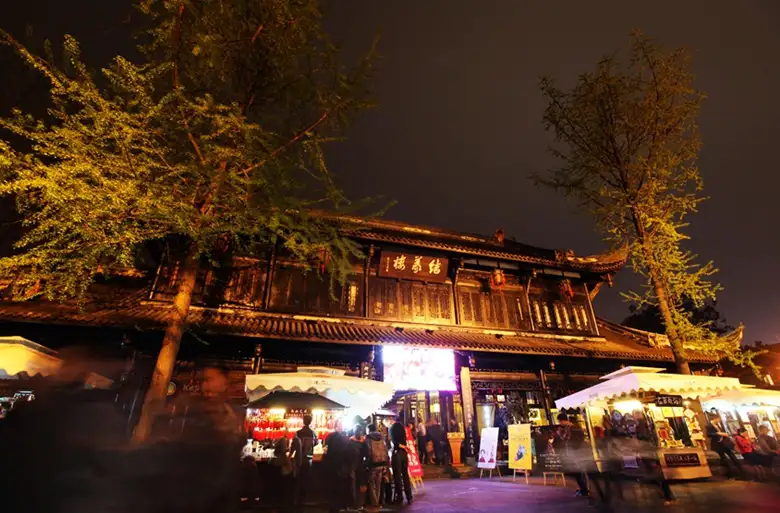
Chengdu, the capital of Sichuan province, is a city where rich history meets vibrant culinary culture. From the aroma of sizzling hotpot to the charm of ancient streets, it offers an immersive experience for travelers seeking both gastronomic delights and cultural exploration. Planning a Chengdu food and travel adventure requires understanding the city’s layout, local delicacies, and the best ways to move between attractions. This guide will help you craft a journey that blends flavor, tradition, and convenience.
Understanding Chengdu’s Culinary Landscape
Chengdu is famous worldwide for its spicy and flavorful cuisine. A true chengdu food and travel guide emphasizes exploring local flavors beyond just hotpot. Must-try dishes include mapo tofu, kung pao chicken, and dandan noodles, each carrying the distinctive boldness of Sichuan peppercorns. Street food is also integral to the city’s culinary identity; sample snacks like spicy rabbit head, dumplings, and savory buns. Visiting local tea houses allows travelers to experience Chengdu’s slower pace, with locals enjoying jasmine tea while playing mahjong or chatting.
Exploring food markets is another key element of a Chengdu food and travel guide. Places like Wuhouci Food Street and Jinli Ancient Street offer a combination of traditional dishes, handicrafts, and cultural performances. Sampling the wide variety of foods here provides both a sensory experience and insight into the local way of life.
Planning Your Itinerary
Creating a balanced itinerary ensures you enjoy both Chengdu’s food and cultural attractions without feeling rushed. Start by prioritizing must-see landmarks such as Wuhou Shrine, Du Fu Thatched Cottage, and the Chengdu Research Base of Giant Panda Breeding. Pair these sightseeing spots with nearby food experiences to maximize your time. For example, after visiting the panda base, explore local eateries offering specialty dishes like Chengdu-style dumplings or spicy noodles.
A typical day could begin with breakfast at a local tea house, sampling steamed buns or soy milk. Mid-morning, visit a cultural attraction, followed by a leisurely lunch at a renowned hotpot restaurant. Afternoons can be spent exploring traditional markets or taking a cooking class, and evenings are perfect for street food exploration or dining in a local Sichuan restaurant. Structuring your days around both food and cultural experiences ensures a comprehensive Chengdu adventure.
Navigating Transportation
Chengdu’s transportation options make it easy to move around the city efficiently. The metro system covers most major districts and tourist spots, making it an ideal choice for travelers. Buses and taxis are also widely available, though traffic congestion can be a consideration during peak hours. For a more authentic experience, consider renting an electric bike or joining a guided walking tour, which allows for slower exploration of narrow alleyways and food streets.
For trips outside the city center, such as visiting Mount Qingcheng or the Leshan Giant Buddha, high-speed trains and private tours are recommended. Planning transport in advance helps save time and ensures you can fully enjoy the diverse offerings of a chengdu food and travel guide.
Timing Your Visit
The best time to explore Chengdu is during the spring and autumn months when the weather is mild and comfortable. Summer can be hot and humid, while winter brings a damp chill that might make outdoor activities less enjoyable. Festivals provide unique opportunities to experience local culture, such as the Lantern Festival and Dragon Boat Festival, both featuring special food delicacies and performances. Aligning your visit with these cultural events can enhance your travel adventure significantly.
Engaging in Culinary Experiences
One of the highlights of a chengdu food and travel guide is engaging directly with the city’s culinary culture. Cooking classes are widely available and teach visitors how to prepare signature dishes like Sichuan hotpot or mapo tofu. These classes offer a hands-on understanding of local spices, techniques, and ingredients. Food tours are another excellent option, guiding visitors through local markets, street stalls, and hidden eateries that might otherwise be overlooked.
Tea culture is also an essential part of the culinary experience. Traditional tea houses not only provide relaxation but also serve as social hubs. Trying different types of tea and participating in tea ceremonies offers insight into local customs and hospitality, adding depth to your food-focused adventure.
Exploring Local Neighborhoods
Chengdu’s neighborhoods each carry their own charm and culinary identity. The historic district of Jinli is perfect for those seeking traditional snacks and souvenirs. Kuanzhai Alley offers a blend of historic architecture and modern dining options. For an off-the-beaten-path experience, neighborhoods like Wuhou and Yulin provide authentic local eateries where you can enjoy dishes favored by residents rather than tourists. Exploring these areas by foot encourages spontaneous discoveries, from hidden noodle shops to street performances.
Incorporating Cultural Experiences
A comprehensive Chengdu adventure includes cultural immersion alongside culinary exploration. Museums, temples, and performance venues enrich your understanding of the city’s history. Sichuan Opera, famous for its face-changing performances, is a must-see. Pairing cultural visits with food experiences—for example, enjoying a late-night snack after a traditional performance—creates a seamless blend of flavors and history.
Budgeting and Planning Costs
Chengdu offers options for every budget, from street food stalls to high-end restaurants. A chengdu food and travel guide should include budgeting for meals, transportation, accommodation, and entrance fees to attractions. Street food and local eateries provide affordable yet authentic experiences, while luxury hotels and fine dining offer comfort and convenience for travelers seeking indulgence. Planning costs in advance allows for flexibility and ensures a stress-free journey.
Safety and Travel Tips
Traveling in Chengdu is generally safe, but standard precautions are advised. Keep an eye on personal belongings in crowded areas, particularly in markets and food streets. When trying street food, ensure vendors maintain hygienic practices. Learning a few basic Mandarin phrases can also enhance interactions with locals, as English is not widely spoken outside tourist areas. Staying hydrated, especially when consuming spicy dishes, is crucial to enjoying the city comfortably.
Making Memories and Enjoying the Journey
The ultimate goal of a chengdu food and travel guide is to create memorable experiences. Take photos of dishes, street scenes, and cultural performances, but also take the time to savor each moment. Engage with locals, participate in traditional activities, and allow for spontaneity in your itinerary. A perfect Chengdu adventure balances structured planning with the freedom to explore hidden corners of the city.
Chengdu offers a vibrant blend of culinary delights, cultural richness, and scenic beauty. By planning your food and travel adventure carefully—focusing on must-try dishes, cultural immersion, efficient transportation, and local neighborhoods—you can experience the city like a true insider. Whether indulging in spicy hotpot, wandering ancient streets, or sipping tea in a tranquil garden, Chengdu promises a journey full of flavor, history, and unforgettable memories.
This chengdu food and travel guide equips you with the knowledge and inspiration to design an itinerary that combines the best of gastronomy and culture, ensuring a complete and satisfying adventure in one of China’s most dynamic cities.