
Floods are among the most destructive natural disasters, causing extensive damage to homes, businesses, and infrastructure. Recovering from flood damage requires more than just manual labor; it relies on advanced technologies and specialized techniques. Modern flood restoration services have evolved significantly, incorporating cutting-edge tools to efficiently restore properties, reduce long-term damage, and ensure safety. Understanding the technology behind these services provides insight into how rapid, effective recovery is achieved after water-related disasters.
Advanced Water Extraction Techniques
One of the primary challenges in flood restoration is removing large volumes of water quickly to prevent further structural damage. Modern flood restoration service providers use high-capacity pumps and vacuums designed for both clean and contaminated water. These machines can extract hundreds of gallons per minute, significantly reducing the time required for water removal compared to traditional methods.
Submersible pumps are particularly effective in flooded basements or large open spaces, while truck-mounted extraction units allow restoration teams to handle multiple sites simultaneously. Additionally, portable water extractors are used for smaller, harder-to-reach areas, ensuring no part of a property remains waterlogged.
Moisture Detection and Mapping
Even after visible water is removed, residual moisture can lead to mold growth, wood warping, and structural deterioration. Modern flood restoration services utilize advanced moisture detection tools such as infrared cameras, hygrometers, and moisture meters to locate hidden water in walls, floors, and ceilings.
Infrared technology detects temperature differences caused by moisture, revealing areas that might otherwise be overlooked. Hygrometers measure humidity levels, allowing technicians to create precise moisture maps and tailor the drying process to each section of a property. This approach prevents future issues, ensuring that restoration is thorough and long-lasting.
High-Efficiency Drying Systems
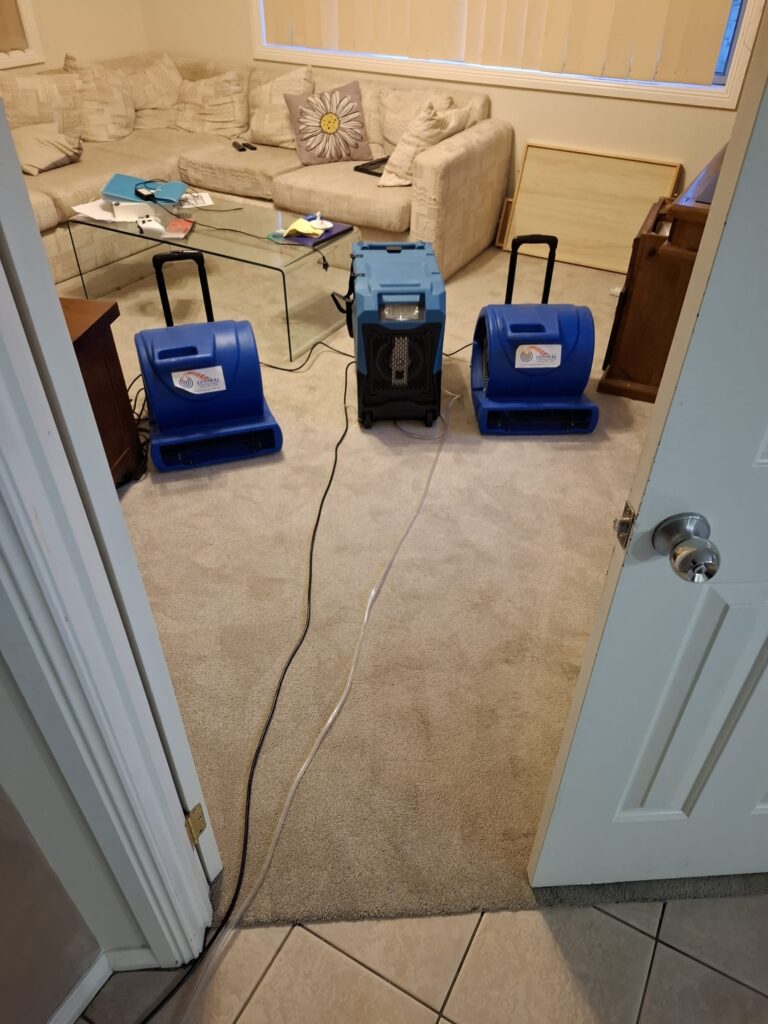
Drying is a critical component of flood restoration. Modern systems combine air movers, dehumidifiers, and ventilation techniques to accelerate the evaporation process. Air movers create airflow across wet surfaces, while industrial-grade dehumidifiers remove moisture from the air. Some advanced dehumidifiers employ refrigerant or desiccant technology, which allows them to operate in low-temperature environments, where conventional units would struggle.
Additionally, targeted drying methods, such as injecting heated air behind walls or using floor mat drying systems, help address moisture trapped in building materials. This controlled drying prevents secondary damage, such as mold growth and structural weakening.
Antimicrobial and Mold Control Solutions
Flood water often carries bacteria, viruses, and other contaminants that pose health risks. Modern flood restoration service providers integrate antimicrobial treatments into the restoration process to sanitize affected areas. These solutions are applied to walls, floors, and furniture to eliminate pathogens and inhibit microbial growth.
Specialized fogging equipment ensures even distribution of disinfectants, reaching areas that manual cleaning cannot access. Post-treatment, air scrubbers and HEPA filtration units are used to remove airborne contaminants, improving indoor air quality and making the environment safe for occupants.
Digital Documentation and Project Management
Efficiency in flood restoration is not just about machinery—it also involves advanced project management. Many restoration services now use digital tools to document damage, track progress, and coordinate tasks among teams.
Using specialized apps and cloud-based platforms, technicians can capture photos, record moisture readings, and generate reports in real time. This documentation is crucial for insurance claims, ensuring transparency and reducing disputes between property owners and insurers. Digital project management also allows for precise scheduling and resource allocation, streamlining the restoration process.
Thermal Imaging and Structural Analysis
Structural integrity is a key concern after a flood. Modern restoration services leverage thermal imaging to assess hidden damage in building components such as walls, floors, and foundations. Thermal cameras detect temperature anomalies that may indicate trapped moisture or compromised insulation.
Additionally, laser scanning and 3D modeling technology can map a building’s interior and exterior, helping technicians plan restoration strategies more effectively. These tools provide a detailed understanding of the extent of flood damage, ensuring repairs are targeted and accurate.
Sustainable and Energy-Efficient Solutions
With increased awareness of environmental impact, many flood restoration services are adopting sustainable technologies. Energy-efficient dehumidifiers and air movers reduce power consumption while maintaining high performance. Some restoration companies also use eco-friendly cleaning agents and water treatment solutions, minimizing the ecological footprint of the recovery process.
Recycling and proper disposal of damaged materials are integrated into the workflow, ensuring compliance with environmental regulations and promoting sustainability in the restoration industry.
Remote Monitoring and Smart Sensors
Innovation in flood restoration now extends to real-time monitoring of drying processes. Smart sensors placed throughout a property can track moisture levels, temperature, and humidity remotely. This allows technicians to adjust equipment settings from a distance, optimizing drying efficiency and reducing labor costs.
Remote monitoring technology also provides property owners with updates, improving communication and trust. The use of IoT-enabled devices is becoming a standard in high-end flood restoration services, reflecting a shift toward more precise, data-driven recovery methods.
Advanced Surface and Material Restoration
Floodwater often leaves behind stains, corrosion, and damage to carpets, hardwood floors, and furniture. Modern restoration services employ specialized equipment like rotary floor machines, ultrasonic cleaners, and ozone generators to restore materials effectively. Ultrasonic cleaning is particularly useful for delicate items, as it removes contaminants without causing physical wear.
Ozone treatment is employed to neutralize odors caused by floodwater, eliminating lingering musty smells that traditional cleaning methods cannot remove. These advanced techniques ensure that the property not only recovers structurally but also regains a sense of normalcy and comfort.
Integration of AI and Predictive Analysis
Some of the most progressive flood restoration services are integrating artificial intelligence into their operations. AI systems analyze moisture data, weather patterns, and building materials to predict potential problem areas and optimize restoration strategies. Predictive analysis allows restoration teams to anticipate mold growth or structural issues before they become critical, improving outcomes and reducing costs.
This proactive approach represents a significant shift in flood restoration, moving from reactive repair to preventative management.
Conclusion
The technology behind modern flood restoration services has transformed the industry from labor-intensive cleanup to a sophisticated, science-driven process. From high-capacity water extraction and advanced drying systems to digital project management and AI-driven predictive analysis, every step is enhanced by innovation.
These technological advancements ensure that flood-affected properties are restored efficiently, safely, and sustainably. Homeowners and businesses now have access to comprehensive solutions that not only address immediate damage but also protect against future risks. Flood restoration service providers continue to adopt new technologies, making recovery faster, more effective, and more reliable than ever before.
The integration of modern tools, combined with skilled professionals, is redefining what it means to recover from a flood, emphasizing safety, efficiency, and long-term resilience.