
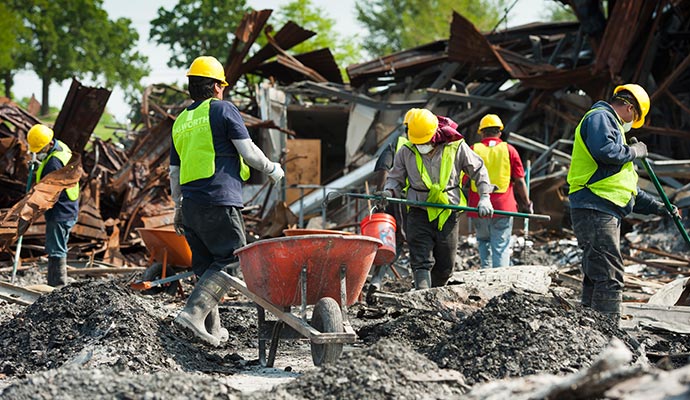
Disasters can strike at any moment, leaving communities and businesses facing unexpected challenges. Whether it’s a fire, flood, storm, or other catastrophic events, the impact can be devastating, both physically and financially. This makes disaster restoration planning not just a precaution, but a necessity for homeowners, business owners, and organizations aiming to mitigate risks and recover efficiently.
Understanding Disaster Restoration
Disaster restoration refers to the process of repairing and restoring properties and infrastructures damaged by unexpected events. It involves specialized services designed to return a property to its original condition while minimizing long-term consequences. Effective disaster restoration goes beyond just fixing physical damage; it encompasses safety, sanitation, and preventive measures that reduce future risks.
The significance of disaster restoration cannot be overstated. After an event, the clock starts ticking for effective recovery. The longer a property remains in a damaged state, the higher the risks of structural deterioration, mold growth, and health hazards. Therefore, having a well-thought-out disaster restoration plan ensures a faster, safer, and more organized approach to recovery.
The Need for Planning
Many individuals and businesses underestimate the importance of planning for disasters. While some rely on insurance or emergency services alone, these measures are reactive rather than proactive. Disaster restoration planning prepares you to handle the aftermath of unforeseen events in a systematic and efficient manner.
A comprehensive disaster restoration plan includes:
- Risk Assessment: Identifying potential threats based on geographic location, building structure, and environmental factors.
- Emergency Contacts: Maintaining a list of local restoration experts, contractors, and emergency services.
- Response Protocols: Establishing clear steps to follow immediately after a disaster to ensure safety and minimize damage.
- Resource Management: Keeping essential tools, equipment, and supplies ready for prompt action.
By having these components in place, property owners can reduce downtime, limit financial losses, and ensure the safety of occupants.
Benefits of Disaster Restoration Planning
- Minimizes Property Damage
Immediate action is critical when disaster strikes. Planning allows for a swift response, which can significantly reduce structural damage. Restoration teams can address water infiltration, fire residue, or debris accumulation before they cause permanent harm. - Protects Health and Safety
Disasters often create hazardous conditions, from contaminated water to unstable structures. A disaster restoration plan ensures that professional intervention happens quickly, protecting both residents and workers from potential health risks. - Reduces Financial Impact
Unexpected disasters can lead to enormous costs if not managed efficiently. A disaster restoration plan streamlines recovery efforts, allowing for quicker repairs and minimizing business interruption or property depreciation. Early restoration can prevent small issues from becoming costly problems. - Enhances Insurance Processes
Insurance claims after a disaster can be complicated. A documented disaster restoration plan, including pre-event property assessments and damage logs, simplifies claims. This ensures that insurers have accurate information, speeding up compensation and repair funding.
Key Elements of an Effective Restoration Strategy
A successful disaster restoration plan involves more than just emergency contact numbers. It includes proactive strategies that cover prevention, immediate response, and long-term recovery.
- Emergency Preparedness Training: Educating staff or family members on what to do during a disaster. Knowing evacuation routes, first-aid procedures, and communication plans can save lives and prevent chaos.
- Regular Property Inspections: Checking for vulnerabilities such as weak roofing, electrical hazards, or flood-prone areas helps in anticipating and mitigating risks.
- Partnerships with Restoration Experts: Establishing relationships with disaster restoration companies ensures that professional help is available without delay. These experts bring specialized equipment and knowledge to handle fires, floods, storms, and other emergencies.
- Data and Documentation Backup: For businesses, securing digital records and sensitive information is critical. Cloud storage and offsite backups ensure continuity even if physical premises are compromised.
Common Types of Disaster Restoration Services
Professional disaster restoration services cover a wide range of scenarios, tailored to different types of emergencies:
- Water Damage Restoration: From burst pipes to flooding, water damage restoration involves extraction, drying, and dehumidification to prevent mold and structural decay.
- Fire and Smoke Damage Restoration: After a fire, specialized cleaning removes soot, smoke odor, and damaged materials while restoring structural integrity.
- Storm and Wind Damage Restoration: High winds and storms can damage roofs, windows, and exterior walls. Restoration teams assess damage and repair to prevent further deterioration.
- Mold Remediation: Mold often grows after water damage or leaks. Disaster restoration experts remove mold safely and prevent its recurrence.
- Structural Repair and Reconstruction: In severe cases, restoration goes beyond cleaning and involves rebuilding sections of a property to meet safety and functionality standards.
Integrating Disaster Restoration into Business Continuity
For businesses, disaster restoration is a vital part of continuity planning. Unexpected disruptions can halt operations, affect employees, and harm customer trust. By integrating restoration strategies into business continuity plans, companies can maintain operations or resume them quickly, protecting both reputation and revenue.
Key steps include:
- Conducting risk assessments for physical premises and operational processes.
- Creating recovery plans for critical systems and data.
- Ensuring insurance coverage aligns with potential restoration needs.
- Training employees on emergency response and restoration procedures.
These measures ensure that businesses are not only reactive to disasters but also resilient in the face of unexpected challenges.
Conclusion
Disaster restoration planning is essential in today’s unpredictable world. The unexpected can occur without warning, and the difference between a manageable recovery and prolonged loss often depends on preparedness. By understanding the importance of disaster restoration, establishing a comprehensive plan, and partnering with experts, property owners and businesses can protect their investments, ensure safety, and maintain continuity.
Proactive disaster restoration planning is not just about recovering from a disaster—it’s about anticipating it, minimizing its impact, and bouncing back stronger. In essence, the effort invested in planning today can save lives, protect property, and secure the future against unforeseen emergencies.