
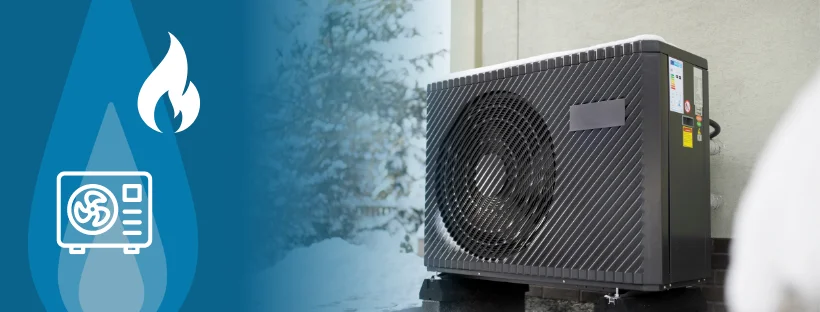
As concerns about climate change and energy efficiency grow, homeowners and businesses alike are seeking ways to reduce their environmental impact without sacrificing comfort. One technology that has gained significant attention in recent years is the propane heat pump. Combining efficiency, reliability, and eco-friendliness, propane heat pumps are emerging as a smart solution for modern heating and cooling needs.
Understanding Propane Heat Pumps
Propane heat pumps are a type of HVAC system that uses propane as a primary energy source to heat and cool indoor spaces. Unlike traditional electric heat pumps, which rely solely on electricity, propane heat pumps harness the high energy density of propane to generate heat more efficiently, especially in colder climates. This makes them an attractive alternative for areas where electric systems may struggle during extreme winter conditions.
One of the main benefits of propane heat pumps is their ability to operate efficiently at lower temperatures. Traditional electric heat pumps lose effectiveness as temperatures drop, often requiring supplemental heating. Propane heat pumps, on the other hand, maintain high performance even in freezing conditions, ensuring consistent comfort while using less energy.
Energy Efficiency and Cost Savings
Efficiency is a key factor driving the popularity of propane heat pumps. These systems often have higher seasonal energy efficiency ratios (SEER) and heating seasonal performance factors (HSPF) than conventional heating systems. The reason lies in propane’s energy density and the technology’s ability to extract heat efficiently from the environment.
For homeowners, this translates to lower utility bills. Because propane heat pumps can generate more heat per unit of fuel than electric systems, they consume less energy overall. In areas with fluctuating electricity prices or limited grid reliability, propane heat pumps offer a more predictable and cost-effective heating solution. Over time, the investment in a propane heat pump can result in substantial savings while reducing the carbon footprint of your home or business.
Environmental Benefits of Propane
Propane is a clean-burning fuel, producing fewer greenhouse gas emissions than conventional fossil fuels like coal, oil, or natural gas. When used in heat pumps, propane contributes to lower overall carbon emissions, making it a more environmentally responsible choice. Additionally, propane is non-toxic, does not contaminate soil or water, and leaves minimal residue when burned, further enhancing its eco-friendly profile.
Propane heat pumps also support a transition to sustainable energy. As more renewable propane sources become available, the environmental impact of these systems can decrease even further. This positions propane heat pumps as a future-ready technology for homeowners and businesses looking to align with greener energy practices.
Versatility and Adaptability
Another advantage of propane heat pumps is their versatility. They are available in a variety of sizes and configurations to meet the needs of different buildings, from single-family homes to commercial spaces. Many systems can provide both heating and cooling, eliminating the need for separate appliances and reducing installation costs.
Propane heat pumps can also be integrated with other energy-efficient solutions, such as smart thermostats, solar panels, or energy recovery ventilators. This integration allows homeowners to optimize energy use, reduce waste, and maintain a comfortable indoor environment year-round. The adaptability of propane heat pumps makes them a practical choice for diverse climates and architectural designs.
Quiet and Reliable Operation
Noise pollution is an often-overlooked aspect of heating systems. Propane heat pumps are known for their quiet operation, especially compared to traditional combustion-based furnaces. This makes them suitable for residential neighborhoods, office spaces, and other environments where low noise levels are important.
Reliability is another key feature. Propane heat pumps are designed to function efficiently in extreme temperatures, ensuring consistent performance even during winter storms or power outages. Many units also have advanced safety mechanisms, including automatic shutoff and monitoring systems, providing peace of mind for homeowners and property managers.
Installation and Maintenance Considerations
Installing a propane heat pump requires professional expertise to ensure safety and optimal performance. Proper sizing, ductwork, and ventilation are critical factors that affect efficiency and longevity. While the initial installation cost may be higher than traditional systems, the long-term energy savings and environmental benefits often outweigh this investment.
Maintenance for propane heat pumps is relatively straightforward. Regular inspections, filter replacements, and system cleaning can keep the unit operating at peak efficiency. Because propane burns cleanly, these systems tend to require less frequent maintenance than oil or wood-based heating systems, further reducing ongoing costs and hassle.
Incentives and Rebates
Many governments and utility providers offer incentives for adopting energy-efficient heating technologies, including propane heat pumps. These programs can include tax credits, rebates, or low-interest financing options, making it easier for homeowners and businesses to invest in sustainable heating solutions. Taking advantage of these incentives can significantly offset the upfront cost and accelerate the return on investment.
Making the Switch to Propane Heat Pumps
For homeowners considering an upgrade from traditional heating systems, propane heat pumps offer a compelling combination of efficiency, environmental responsibility, and comfort. They are particularly beneficial in regions with cold winters, high electricity rates, or frequent power disruptions. With proper installation and maintenance, propane heat pumps can provide decades of reliable service while reducing energy consumption and greenhouse gas emissions.
Transitioning to a propane heat pump system also demonstrates a commitment to sustainable living. As society increasingly prioritizes energy efficiency and carbon reduction, adopting technologies like propane heat pumps positions homeowners and businesses at the forefront of eco-conscious innovation.
Conclusion
Propane heat pumps represent a modern approach to home and commercial heating that balances comfort, efficiency, and environmental responsibility. By leveraging propane’s high energy density and clean-burning properties, these systems deliver reliable warmth even in the coldest conditions while minimizing carbon emissions. Their adaptability, cost savings, quiet operation, and compatibility with renewable technologies make them a smart choice for anyone looking to upgrade their heating system with sustainability in mind. Investing in propane heat pumps is not just a practical decision—it is a step toward a cleaner, more energy-efficient future.