
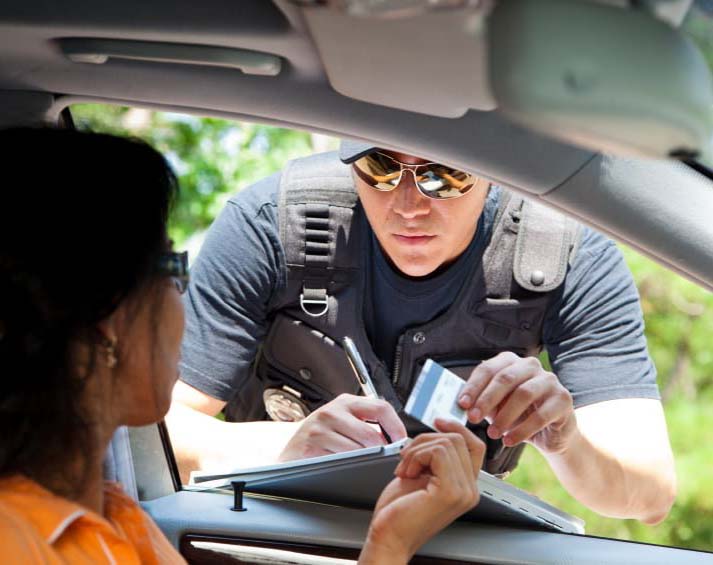
When a driver receives a traffic ticket for failure to yield to a pedestrian, it can be more than just a fine — it can impact your driving record, insurance, and peace of mind. Understanding what this violation means, how it’s treated under traffic law, and how professional help can make a difference is essential if you want the best possible outcome. This article explains the ins and outs of failure to yield to a pedestrian, drawing on insights from the Traffic Paralegal Services page on the topic: https://www.trafficparalegalservices.com/failure-yield-pedestrian/.
What Failure to Yield to a Pedestrian Means
At its core, failure to yield to a pedestrian refers to a situation where a driver does not give the right of way to a person on foot who is legally crossing the road. Most jurisdictions require drivers to yield the entire roadway to pedestrians at marked and unmarked crosswalks — whether the intersections are controlled by signals or not. Drivers are expected to slow down, stop if necessary, and wait until the pedestrian has safely crossed before proceeding.
Failing to do so is not just poor judgment — it’s a traffic offence that can carry penalties. According to traffic regulations in Ontario and many other places, hitting a pedestrian or violating their right of way can result in fines, demerit points, and other legal consequences.
Why Pedestrian Right-of-Way Matters
Pedestrians are among the most vulnerable road users. Unlike drivers and passengers inside vehicles, pedestrians have no protective shell or airbags between them and danger. When a driver moves through a crosswalk without yielding, even at low speeds, the risk of serious injury increases dramatically. Laws around yielding to pedestrians are designed to protect people and reduce accidents.
Crosswalks — marked or unmarked — and intersections are areas where pedestrians are most likely to cross. The law usually gives pedestrians immediate right of way once they enter the crosswalk or indicate a clear intent to walk across the street. Drivers must stop completely and remain stopped until the pedestrian has fully crossed the driver’s lane, and often adjacent lanes as well.
Legal Consequences of Failing to Yield to a Pedestrian
Traffic violations for failing to yield to pedestrians vary depending on the jurisdiction, but the general principles are similar. In Ontario, for example, violating pedestrian right-of-way laws can result in:
- A traffic ticket with fines.
- Demerit points on your driver’s licence.
- Increased insurance premiums if the violation is recorded.
In many U.S. states, failing to yield to pedestrians can lead to fines typically ranging from modest amounts for first-time infractions to larger fines for repeat offenses, especially in high-risk or school zones. Points on a licence can lead to long-term consequences such as higher premiums or even suspensions if too many accumulate.
It’s also worth noting that in more serious cases — for example, if the failure to yield results in injury or death — charges can escalate beyond a simple traffic ticket into criminal or civil liability. Drivers may face legal claims for damages, including medical costs and lost wages from injured pedestrians.
Common Scenarios Where Failure to Yield Happens
There are several situations in everyday driving where failure to yield to a pedestrian is more likely to occur:
- At intersections and mid-block crosswalks, where pedestrians cross from one side of the street to the other.
- Near school zones or parks, where pedestrian activity is high and extra caution is required.
- During turns, especially right turns on green lights, where drivers may focus on vehicle traffic and miss pedestrians within the crosswalk.
- Uncontrolled crossings without lights or signals can be riskier because they rely entirely on driver awareness and willingness to stop.
Being aware of these common failure-to-yield spots can help drivers stay alert and avoid dangerous situations.
Defending a Failure to Yield Ticket
If you have been ticketed for failure to yield to a pedestrian, you might feel unsure about your options. Every case is different, and there can be valid reasons why a driver believes they were wrongly charged. Some possible defenses include:
- Claiming the pedestrian was not visible or was not in a location where law requires them to be yielded to.
- Arguing that you had the right of way because of specific traffic signals or signage.
- Presenting evidence of sudden emergencies that made yielding impractical.
Yet traffic courts often take pedestrian safety seriously, so many drivers seek legal or paralegal assistance to ensure their rights are protected, and to try to reduce or dismiss the charge. This is where specialized services come in.
How Traffic Paralegal Services Can Assist
The Traffic Paralegal Services team understands how significant a failure to yield to a pedestrian charge can be. According to their service page, they work with clients to create a strategic plan for each case, aiming to reduce the consequences or get the charge dismissed entirely.
They highlight that simply pleading guilty and paying a fine without professional advice can be costly — not just in money, but in demerit points and insurance implications. An experienced paralegal knows how to navigate traffic court, understand local traffic laws, and present arguments that might lead to better outcomes.
By submitting your tickets and details of the incident, you can receive tailored guidance on your next steps. This can be especially useful if you’re unfamiliar with Ontario’s Highway Traffic Act or equivalent laws in your area.
Final Thoughts
Getting a traffic ticket for failure to yield to a pedestrian is stressful, but it doesn’t mean the end of the road for your licence or record. Understanding what the violation means, why pedestrian right-of-way matters, and what potential legal options exist can make a huge difference in how you handle the situation.
Driving defensively, staying alert for pedestrians at all times, and consulting knowledgeable professionals like those at Traffic Paralegal Services give you the best chance of maintaining your driving privileges and avoiding costly penalties.