
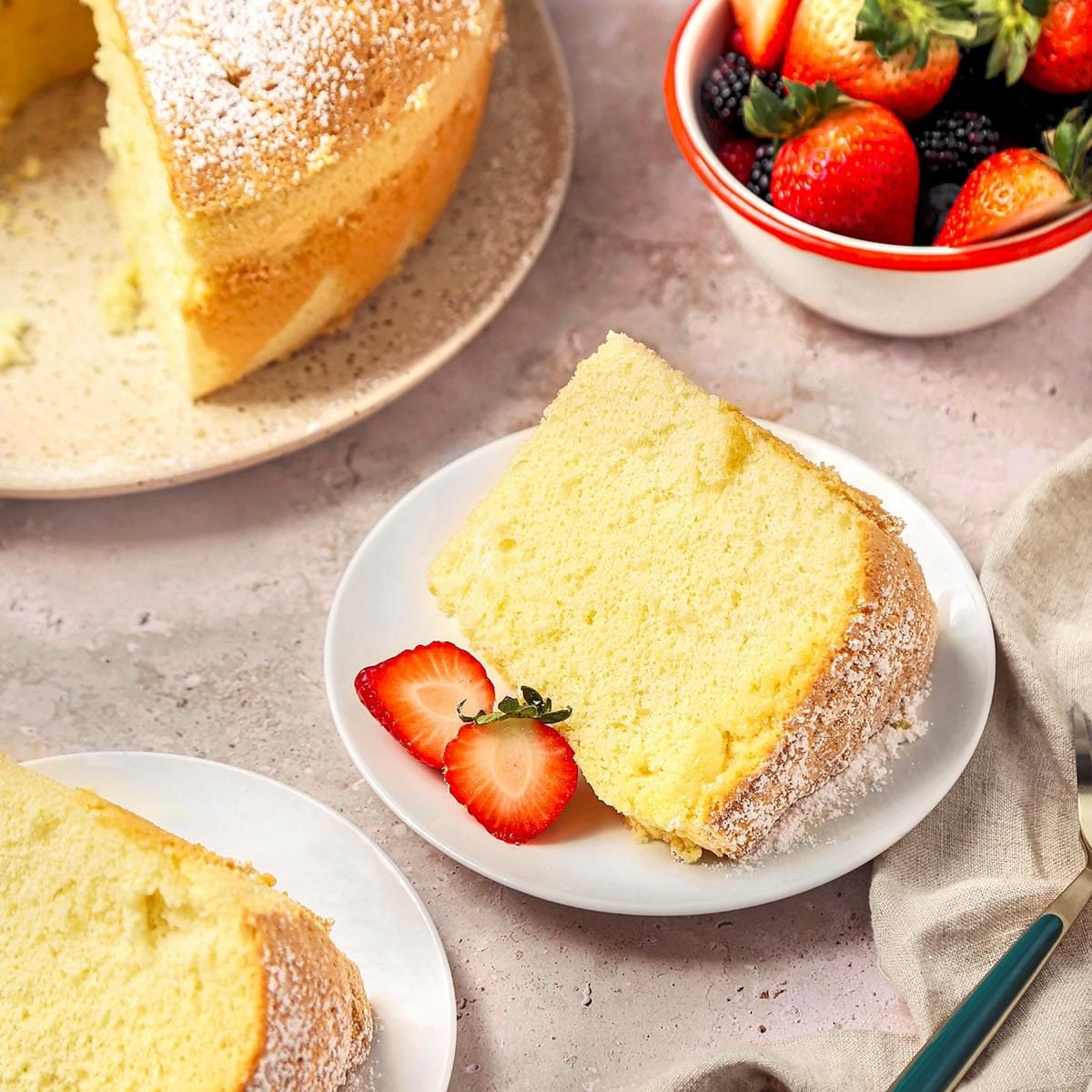
A light, airy, and beautifully risen sponge cake is a delight for every baking enthusiast. Whether you are preparing a birthday dessert, a layered celebration cake, or a simple afternoon treat, achieving the perfect rise can make all the difference. Although sponge cake recipes often use just a few basic ingredients, the technique behind them requires attention to detail. From whipping eggs correctly to measuring flour accurately, every step contributes to the final texture and height.
Understanding how ingredients work together and avoiding common baking mistakes will help you create a soft, fluffy cake with a delicate crumb. With the right preparation and a little practice, you can achieve consistently excellent results in your kitchen.
Understanding What Makes a Sponge Cake Rise
The secret to a successful sponge cake lies in the air incorporated into the batter. Unlike many butter cakes that depend on creaming butter and sugar, traditional sponge cakes often rely on whipped eggs to provide structure and volume.
When eggs are beaten, air becomes trapped inside the mixture. During baking, this air expands as the temperature rises, helping the cake grow taller and develop its characteristic light texture. Steam also contributes to expansion, while egg proteins and flour provide the structure needed to maintain the cake’s shape.
The goal is to introduce enough air, preserve it during mixing, and allow the cake to set properly in the oven. If any of these stages goes wrong, the result may be a dense, flat, or collapsed cake.
Choose Fresh, High-Quality Ingredients
Great baking starts with suitable ingredients. Although a basic sponge cake requires only eggs, sugar, flour, and sometimes a little baking powder, the quality and condition of these ingredients can influence the final result.
Fresh eggs are particularly important because they help create a stable foam when whipped. Eggs at room temperature generally whip more efficiently than cold eggs, allowing them to reach greater volume with less effort.
Use cake flour for a particularly tender crumb, or choose all-purpose flour if that is what you have available. Cake flour contains less protein, which helps limit gluten development and produces a softer texture.
Fine granulated sugar dissolves more easily into whipped eggs than coarse sugar. If your recipe includes baking powder, check that it is still fresh and use the specified quantity rather than adding extra in an attempt to increase the rise.
Measure every ingredient carefully. Too much flour can make the batter heavy, while excessive sugar or liquid may weaken the cake’s structure.
Master the Art of Whipping Eggs
Whipping eggs properly is one of the most important skills for achieving a tall, airy sponge cake. Begin with a clean, dry mixing bowl because grease or other residue can interfere with foam formation.
Depending on your recipe, you may beat whole eggs with sugar or whip the egg whites separately from the yolks. Both methods can work well when followed correctly.
For whole-egg sponge cakes, beat the eggs and sugar until the mixture becomes pale, thick, and noticeably increased in volume. When you lift the whisk, the batter should fall in ribbons that remain visible briefly on the surface.
If your recipe uses separated eggs, whip the whites until they form glossy peaks appropriate for the method. Avoid beating them until they become dry and grainy, as this can make them harder to incorporate smoothly.
Patience matters here. Under-whipped eggs may not provide enough air for a good rise, while poorly handled foam can lose its volume before the cake reaches the oven.
Fold the Flour Without Losing Air
Once the eggs have reached the correct consistency, the next challenge is combining the dry ingredients without destroying the delicate foam.
Sift the flour before adding it to the mixture. This removes many lumps and helps distribute it more evenly throughout the batter.
Add the flour gradually, using a spatula to fold it in with gentle movements. Cut through the center of the mixture, sweep along the bottom of the bowl, and bring the batter over the top. Rotate the bowl and repeat until the flour is incorporated.
Avoid vigorous stirring or prolonged mixing. These actions can release trapped air and encourage gluten development, resulting in a heavier texture.
At the same time, do not leave pockets of dry flour in the batter. Incomplete mixing can create uneven areas in the finished cake. The ideal approach is gentle but thorough folding, stopping as soon as the ingredients are combined.
Prepare Your Cake Pan Correctly
The cake pan affects how evenly your sponge cake rises and how easily it releases after baking. Choose the pan size recommended by your recipe, since a pan that is too large may produce a thin cake while a smaller one may cause overflowing or uneven baking.
Line the base with baking parchment to make removal easier. Greasing the sides depends on the recipe. Some sponge methods benefit from ungreased sides because the batter can cling to the pan as it rises, while other recipes are designed for greased pans.
Avoid filling the pan too close to the top. Leave enough space for the batter to expand during baking.
Once the batter is ready, transfer it to the pan promptly. Do not leave it standing on the counter for a long period, especially if the recipe relies heavily on whipped eggs for aeration.
Set the Right Oven Temperature
Oven temperature plays a major role in determining whether a sponge cake rises evenly. If the oven is too cool, the batter may expand slowly and fail to set properly. If it is too hot, the outside can become firm before the center has finished rising.
Preheat the oven fully before placing the cake inside. An oven thermometer can help you identify temperature differences between the setting and the actual heat.
Follow the recipe’s recommended temperature rather than relying on guesswork. Most importantly, resist opening the oven door during the early stages of baking. Sudden temperature changes can interrupt the setting process and cause the center to sink.
Bake until the cake is golden, the center springs back lightly when touched, and a toothpick inserted into the middle comes out clean or with a few dry crumbs. Baking time varies according to the pan, oven, and recipe, so use visual and physical signs alongside the timer.
Avoid Common Mistakes That Prevent a Perfect Rise
Several small errors can make a significant difference to the final cake. One frequent mistake is inaccurate measuring. Baking depends on balanced proportions, so weighing ingredients with a kitchen scale is often more reliable than estimating quantities with cups.
Another problem is overmixing after adding flour. Even if the eggs have been whipped beautifully, aggressive folding can remove the air needed for a light texture.
Using cold ingredients when the recipe calls for room-temperature eggs can also make whipping less efficient. Meanwhile, an oven that has not been preheated may prevent the batter from setting at the right pace.
Finally, avoid removing the cake too early or moving it roughly while it is still delicate. The structure needs time to stabilize during baking and cooling.
Cool Your Sponge Cake the Right Way
Cooling is an essential part of achieving a stable sponge cake. When baking is complete, follow the recipe’s instructions for leaving the cake in the pan or turning it out onto a cooling rack.
Some sponge cakes benefit from cooling upside down, particularly those designed to resist shrinking, while others should be removed from the pan after a short resting period.
Avoid wrapping or decorating the cake while it is still warm. Trapped steam can create moisture on the surface and affect the texture. Allow the cake to cool completely before slicing, layering, or adding frosting.
If the cake will be used for a layered dessert, cooling thoroughly also makes it easier to cut neat, even layers without tearing the crumb.
Make Consistency Your Baking Goal
Achieving a perfect rise every single time becomes easier when you treat baking as a repeatable process. Use the same reliable recipe, measure ingredients accurately, prepare the pan before mixing, and pay close attention to the texture of the whipped eggs.
Keep brief notes about your oven temperature, baking time, pan size, and final results. If a cake sinks, consider whether it was underbaked, overmixed, or exposed to a sudden temperature change. Adjust one factor at a time so you can identify what works best in your kitchen.
Conclusion
A beautifully risen sponge cake is the result of careful preparation, proper aeration, gentle mixing, accurate measurements, and controlled baking. Every stage contributes to the final height, softness, and structure, making technique just as important as the ingredient list.
By mastering egg whipping, folding flour carefully, choosing the correct pan, maintaining a steady oven temperature, and allowing the cake to cool properly, you can greatly improve your baking results. Practice these essential principles consistently, and you will be well on your way to creating light, fluffy, and delicious sponge cakes for everyday treats and special celebrations alike.