
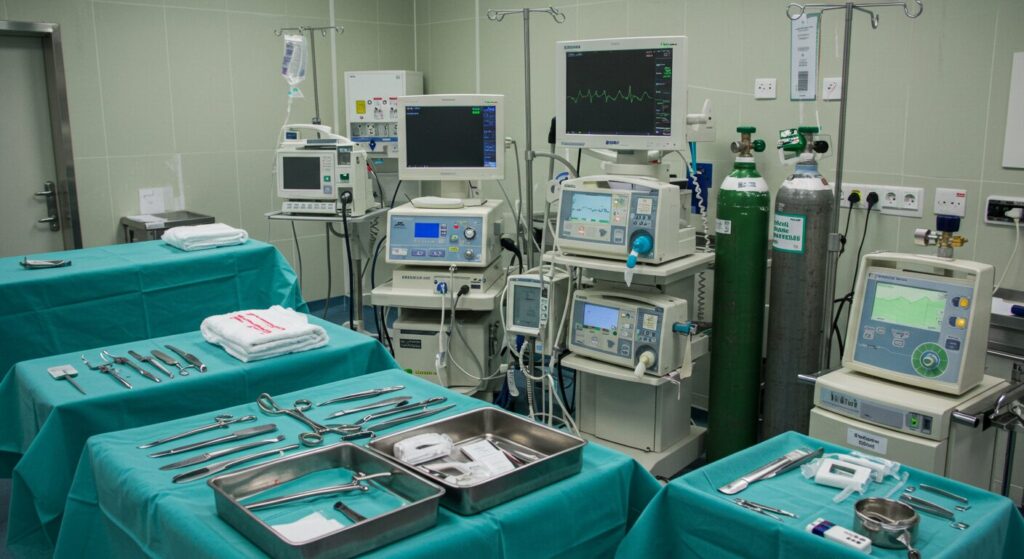
Medical equipment is the backbone of modern healthcare, playing a critical role in diagnostics, treatment, and patient care. From MRI machines to infusion pumps, these devices must perform reliably and accurately. However, medical equipment is only as effective as its maintenance allows. Proper care ensures longevity, reduces downtime, prevents costly repairs, and, most importantly, safeguards patient safety. This article explores practical tips for maintaining medical equipment effectively.
Understanding the Importance of Maintenance
Medical equipment maintenance is not just about keeping devices operational; it’s about protecting patient lives and ensuring quality care. Malfunctioning equipment can lead to misdiagnoses, treatment delays, or even serious accidents. Regular maintenance helps detect issues early, prevents unexpected breakdowns, and prolongs the lifespan of devices. Moreover, it ensures compliance with regulatory standards, which is crucial for hospitals, clinics, and laboratories.
Routine checks, calibration, cleaning, and timely repairs are all part of a robust maintenance strategy. Healthcare facilities that invest in proper maintenance programs often experience lower operational costs over time. Well-maintained equipment also fosters confidence among medical staff, allowing them to focus on patient care without worrying about equipment failure.
Establishing a Maintenance Schedule
Creating a structured maintenance schedule is vital for effective medical equipment care. Each type of device has unique requirements, and adherence to manufacturer guidelines is essential. Scheduling preventive maintenance helps identify potential problems before they escalate, minimizing equipment downtime.
A typical schedule may include daily, weekly, monthly, and annual checks. Daily inspections might involve cleaning, visual checks, and verifying basic functionality. Weekly or monthly checks could include more detailed assessments, testing safety features, and ensuring accurate performance. Annual maintenance usually involves professional servicing, calibration, and software updates.
In addition, maintenance logs should be maintained for each device. These records track inspections, repairs, replacements, and any incidents of malfunction. Detailed documentation helps streamline audits, ensures regulatory compliance, and provides a clear history of equipment performance.
Cleaning and Sterilization Practices
Proper cleaning and sterilization are essential to maintain the efficiency and safety of medical equipment. Contamination can compromise patient safety and damage sensitive components. Each device requires specific cleaning procedures based on its material, usage, and design.
Non-invasive equipment such as monitors, infusion pumps, and diagnostic tools can typically be cleaned with approved disinfectants and wiped with lint-free cloths. Instruments that come in direct contact with patients, such as surgical tools or endoscopes, often require sterilization using autoclaves or chemical disinfectants. It’s crucial to follow manufacturer guidelines and infection control protocols to prevent damage and ensure safety.
Neglecting proper cleaning can lead to equipment corrosion, reduced accuracy, and the spread of infections. Routine sterilization and careful handling increase the longevity of medical devices while maintaining a safe environment for both patients and healthcare professionals.
Regular Calibration and Testing
Calibration ensures that medical equipment provides accurate and consistent results. Devices such as blood pressure monitors, thermometers, imaging machines, and laboratory analyzers must be regularly calibrated to maintain precision. Incorrect readings can compromise diagnoses, treatments, and patient safety.
Calibration involves comparing the equipment’s measurements against standard references and making necessary adjustments. For complex devices, calibration often requires trained technicians or specialized service providers. Testing equipment after calibration confirms that it operates within the acceptable range of accuracy.
Regular calibration not only enhances performance but also prevents long-term damage caused by operating outside manufacturer specifications. Accurate and reliable equipment ensures confidence in clinical decision-making and maintains high standards of care.
Handling and Storage
Proper handling and storage of medical equipment are critical to preventing physical damage and extending device lifespan. Mishandling during transport, improper storage, or exposure to extreme environmental conditions can lead to breakdowns or reduced performance.
Devices should be stored in clean, dry, and temperature-controlled environments. Fragile components, such as sensors and optical elements, require protective cases or cushioning to prevent accidental damage. Staff training on proper handling procedures is essential to avoid accidental drops, improper disassembly, or rough usage.
In addition, labeling equipment and organizing storage areas improve accessibility and reduce the risk of misplacement or damage. Ensuring that devices are turned off properly, disconnected safely, and stored according to guidelines enhances both longevity and operational safety.
Staff Training and Awareness
Medical equipment maintenance is most effective when staff members understand proper usage, care procedures, and emergency protocols. Training programs should cover basic handling, cleaning, calibration checks, and troubleshooting common issues.
Empowered and informed staff can identify early signs of malfunction, reduce accidental damage, and contribute to a culture of safety. They should also be aware of reporting mechanisms for equipment faults, ensuring timely repairs and minimal disruption to patient care.
Continuous education and refresher courses keep staff updated on the latest technologies, maintenance protocols, and regulatory requirements. Involving end-users in the maintenance process creates accountability and encourages proactive care of medical equipment.
Partnering with Professional Service Providers
While routine maintenance can be handled in-house, partnering with professional service providers ensures that complex and critical equipment receives expert attention. Authorized technicians have the tools, expertise, and access to genuine replacement parts required for high-precision devices.
Service agreements with equipment manufacturers or certified third-party providers often include scheduled maintenance, emergency repairs, and software updates. These partnerships reduce the risk of prolonged downtime and guarantee that devices meet safety and performance standards. Professional servicing also ensures compliance with legal regulations and accreditation requirements, safeguarding the facility from potential liabilities.
Monitoring and Upgrading Equipment
Technology in healthcare evolves rapidly, and older equipment may become inefficient or incompatible with modern systems. Regular monitoring of performance and functionality allows healthcare facilities to decide when upgrades or replacements are necessary.
Implementing equipment management software can track usage patterns, maintenance history, and operational efficiency. Such monitoring helps prioritize maintenance tasks, optimize resource allocation, and plan timely replacements. Upgrading equipment not only improves patient care but also enhances staff efficiency and safety.
Facilities should balance the cost of maintenance with the benefits of modernization. Investing in new technology when necessary ensures that medical equipment remains reliable, accurate, and safe for patients and staff.
Conclusion
Maintaining medical equipment is a critical component of healthcare management. Proper care, regular maintenance, and professional servicing ensure longevity, reliability, and safety. From cleaning and sterilization to calibration, handling, staff training, and professional support, each aspect plays a vital role in preventing equipment failure and protecting patients.
A structured maintenance program, combined with vigilant monitoring and timely upgrades, allows healthcare facilities to optimize resources, reduce operational costs, and deliver consistent, high-quality care. Prioritizing medical equipment maintenance is not just an operational necessity—it is a commitment to patient safety, staff efficiency, and long-term sustainability in healthcare.
By investing in systematic maintenance practices, healthcare providers can ensure that their medical equipment continues to perform optimally, supporting life-saving work with precision and reliability.