
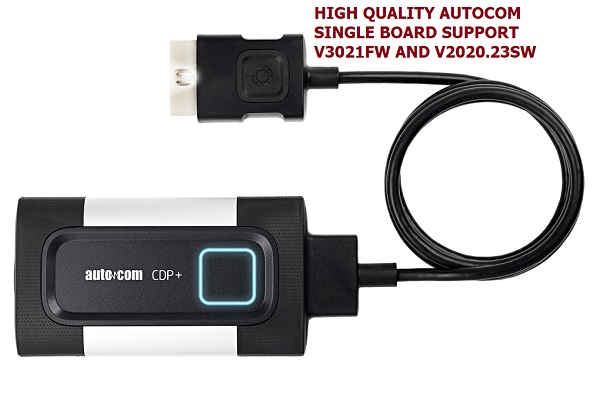
Modern agricultural machinery has become increasingly sophisticated. Tractors, combines, harvesters, and other farm equipment rely on electronic control units, sensors, communication networks, and computerized systems to perform essential functions. While these technologies improve productivity and performance, they can also make troubleshooting more complex when something goes wrong. Diagnostic equipment can help technicians identify potential issues more efficiently, and the CNH DPA5 is associated with diagnostic work on compatible agricultural machinery.
Understanding how diagnostic equipment supports maintenance can help equipment owners, operators, and technicians approach machine problems in a more organized way. Instead of relying only on visual inspections or trial-and-error repairs, electronic diagnostics can provide additional information about the condition and operation of a machine.
Understanding the Role of Agricultural Diagnostics
Agricultural machinery operates under demanding conditions. Dust, moisture, vibration, heavy workloads, temperature changes, and long operating hours can all affect mechanical and electronic components. A problem may not always be immediately visible. For example, a sensor fault or communication issue may cause warning messages or unusual machine behavior without an obvious physical cause.
Diagnostic systems are designed to help technicians investigate these electronic and control-related problems. Depending on the equipment and software involved, diagnostic tools can communicate with machine control systems, retrieve fault information, monitor parameters, and assist with troubleshooting procedures.
The CNH DPA5 can be considered part of this broader diagnostic approach for compatible CNH agricultural equipment. Its usefulness depends on the specific machine, software environment, connection requirements, and diagnostic procedures being used.
Connecting Diagnostic Information With Machine Problems
One of the biggest advantages of electronic diagnostics is the ability to connect machine symptoms with information stored within control systems. Agricultural equipment can generate diagnostic codes when a system detects an abnormal condition. These codes may provide technicians with an initial direction for further investigation.
A diagnostic interface can help access this information and make the troubleshooting process more structured. Rather than immediately replacing a component, a technician can investigate the reported condition, examine related systems, and determine whether the issue is electrical, electronic, mechanical, or related to communication between control modules.
This approach can reduce unnecessary parts replacement and help technicians concentrate on the most relevant areas of the machine.
Supporting Faster Troubleshooting
Downtime can be costly in agriculture, particularly during planting and harvesting seasons. When machinery stops working during an important part of the farming cycle, every hour can matter. Efficient diagnostics can therefore play an important role in maintenance operations.
The CNH DPA5 may support technicians by providing a connection between compatible agricultural machinery and diagnostic software. When used with the appropriate manufacturer-supported environment, diagnostic information can help technicians understand what a machine is reporting.
Faster access to relevant information does not necessarily mean that every fault can be solved immediately. Instead, it can help shorten the initial diagnostic process. A technician can use the available information alongside physical inspections, service documentation, electrical testing, and practical experience to determine the appropriate repair.
Helping Identify Electronic and Sensor-Related Issues
Modern agricultural machines contain numerous sensors and electronic components. These may monitor temperatures, pressures, engine conditions, hydraulic functions, transmission systems, and other operating parameters.
When a sensor provides an incorrect signal, the resulting problem can sometimes appear to be mechanical. Diagnostic information can help technicians investigate whether a sensor, wiring connection, control module, or related component may be involved.
Using a diagnostic interface such as the CNH DPA5 with compatible software can make it easier to access relevant electronic information. However, diagnostic codes should not automatically be interpreted as proof that a particular component has failed. A code is generally a starting point for investigation rather than a complete diagnosis.
Improving Maintenance Decisions
Effective maintenance involves more than repairing equipment after a breakdown. Preventive maintenance can help identify developing problems before they result in major downtime. Diagnostic information can contribute to this process by giving technicians another source of information about machine operation.
When diagnostic data is combined with maintenance records, operator observations, inspection results, and manufacturer recommendations, it can provide a more complete picture of equipment condition.
For example, repeated fault information may encourage a technician to investigate a particular system more closely. Identifying recurring issues can also help maintenance teams recognize patterns and schedule inspections at more appropriate times.
Reducing Unnecessary Component Replacement
Replacing parts without confirming the cause of a problem can increase maintenance expenses. A warning message may be connected to several possible causes, including wiring problems, sensor faults, communication issues, power supply problems, or an actual component failure.
Electronic diagnostics can help narrow the possibilities before replacement decisions are made. Technicians can use available diagnostic information as part of a step-by-step troubleshooting process.
The CNH DPA5 can therefore be useful as a diagnostic interface when working with compatible systems, but it should not replace proper testing procedures. Electrical measurements, physical inspections, technical specifications, and service information remain important parts of accurate diagnosis.
Supporting Technicians in the Field
Agricultural equipment is often operated far from conventional repair facilities. This makes field-service efficiency particularly important. Technicians may need to investigate problems at farms, fields, or other locations where transporting large machinery to a workshop is difficult.
Portable diagnostic equipment can support field troubleshooting by allowing technicians to connect with compatible machine systems where appropriate. Having diagnostic capabilities available during field service can help determine whether a problem requires an immediate repair, additional testing, or more extensive workshop attention.
The practical value of any diagnostic interface depends on having compatible hardware, software, cables, documentation, and technician knowledge available.
The Importance of Correct Software and Compatibility
A diagnostic interface is only one part of a complete diagnostic setup. Compatibility is especially important because agricultural machinery varies by model, production year, control architecture, and software configuration.
Before using the CNH DPA5, technicians should verify that the interface, diagnostic software, machine model, and communication requirements are compatible. Manufacturer-supported software and current technical documentation should be used whenever available.
Incorrect software, unsuitable connections, or unsupported configurations can produce misleading results or prevent communication with the machine. Following proper procedures is therefore essential for reliable diagnostics.
Combining Diagnostics With Professional Expertise
Technology can provide valuable information, but successful troubleshooting still depends heavily on human expertise. Experienced technicians understand that diagnostic codes, sensor readings, and electronic symptoms must be interpreted in context.
A professional may begin with the operator’s description of the problem, inspect the machine, retrieve diagnostic information, perform relevant tests, and compare the findings with technical documentation. This layered approach is more reliable than depending on a single diagnostic result.
The CNH DPA5 can support this workflow by helping technicians access electronic diagnostic information, while professional judgment determines how that information should be interpreted and acted upon.
Supporting More Efficient Equipment Management
Efficient diagnostics can contribute to broader equipment management goals. When problems are identified more systematically, maintenance teams can improve repair planning, reduce unnecessary downtime, and make better use of replacement parts and technician time.
For farms and agricultural businesses operating multiple machines, consistent diagnostic procedures can also make maintenance activities more organized. Recording fault information and repair outcomes can help create a useful history for individual machines.
Over time, this information can support better maintenance planning and help identify recurring issues that deserve additional attention.
Final Considerations
Agricultural machinery continues to depend increasingly on electronic systems, making modern diagnostic practices an important part of equipment maintenance. Tools and interfaces such as the CNH DPA5 can support technicians by providing access to diagnostic information on compatible machinery and helping organize the troubleshooting process.
However, efficient diagnostics require more than simply connecting an interface. Compatibility, manufacturer-supported software, technical documentation, careful testing, and professional expertise all contribute to accurate results. Diagnostic codes should be treated as useful clues rather than automatic confirmation of a failed component.
When electronic diagnostics are combined with regular inspections, preventive maintenance, operator feedback, and qualified technical expertise, agricultural equipment owners can approach machine problems more efficiently. This structured approach can help reduce unnecessary repairs, support better maintenance decisions, and keep essential agricultural machinery operating as reliably as possible.